CodeGym /课程 /Java 核心 /继承:继承的优点。

继承:继承的优点。

Java 核心
第 1 级 , 课程 5
可用

“你好,阿米戈!接下来,有个概念我想你会经常用到。那就是继承。

对初学者而言,编程就像是魔术。让我打个比方。

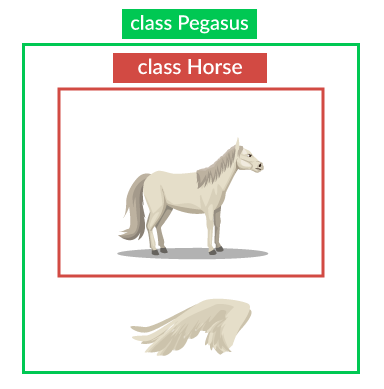
假如你是魔术师,想创造一匹飞马。你可能会想变出一匹 Pegasus。但是自然界并不存在飞马,要想变出来就很难。你会有很多工作要做。但如果先变出一匹马,然后再给它安上翅膀,事情就变得简单多了。

继承:继承的优点 - 1

在编程里,我们把这个过程叫做“继承”。假如,你要写一个非常复杂的类。首先,从头写到尾就要花很长时间。之后,你还要花大量时间去测试它,找错误。但是为什么要如此费力呢?何不先找找看你要的类是不是有已经可行的版本了?

假如,你找到了一个类,它有 80% 的功能是你想要的。你可以把它直接复制到你的类中。但是这样做会有一些缺点:

1) 你找的类可能已经被编译到字节码里了。你可能无法访问它的源代码。

2) 你可能有那个类的源代码,但如果你的代码里有几行是别人的,那么,你所在的公司可能会因此而遭到起诉,被要求赔偿数十亿的巨额罚款。而你也会因此被公司起诉。

3) 这样做还会引入很多不必要的冗余代码。如果其他类的作者发现了一个错误并更正了,但是你还是会有这个错误。

有一种更得体的方法,它不需要得到原始类作者的法律许可。在 Java 里,你可以简单地声明另一个类是你的父类。这相当于把另一个类的代码加到你的类里。父类的所有数据和方法都会出现在你的类里。例如,你可以继承 horse(即马),然后添加 wings(即翅膀),最后获得 Pegasus(即飞马)。

继承:继承的优点 - 2

“非常有趣。请继续。”

“继承还有其他用途。假如,你有十个非常相似的类。它们各自有匹配的数据和方法。你可以创建一个专门的基类,把数据(以及相关的方法)移入该基类,然后让那十个类从基类继承。换句话说,对每个类而言,你都指明它有一个父类,也就是我们所说的基类。”

“就像抽象的优点只有与封装联系起来才能得到正真体现一样,继承的优点也需要通过多态来大放异彩。具体细节我们明天再讲。今天我们先来看几个继承的例子。”

“假如,我们正在写一个国际象棋程序。我们要给棋子写类。你觉得要写哪些类呢,阿米戈?”

“King(王)、Queen(后)、Bishop(象)、Knight(马)、Rook(车)和 Pawn(兵)。”

“非常好。一个不落。”

“那你觉得这些类里要存储哪些数据呢?”

“每个棋子在棋盘上的位置(x 和 y)以及价值(worth)。毕竟,有些棋子比其他的更有价值。”

“这些类之间有什么区别?”

“这些类的区别在于棋子的走法(move),就是具体的行为。”

“对。你可以像这样来把它们定义为类:”

class King
{
int x;
int y;
int worth;
void kingMove()
{
//code that defines,
//how the king moves
}
}
class Queen
{
int x;
int y;
int worth;
void queenMove()
{
//code that defines,
//how the queen moves
}
}
class Rook
{
int x;
int y;
int worth;
void rookMove()
{
//code that defines,
//how the rook moves
}
}
class Knight
{
int x;
int y;
int worth;
void knightMove()
{
//code that defines,
//how the knight moves
}
}
class Bishop
{
int x;
int y;
int worth;
void bishopMove()
{
//code that defines,
//how the bishop moves
}
}
class Pawn
{
int x;
int y;
int worth;
void pawnMove()
{
//code that defines,
//how the pawn moves
}
}
3
任务
Java 核心, 第 1 级, 课程 5
已锁定
Code entry
Sometimes you don't need to think, you just need to hammer it out! As paradoxical as it may seem, sometimes your fingers will "remember" better than your conscious mind. That's why while training at the secret CodeGym center you will sometimes encounter tasks that require you to enter code. By entering code, you get used to the syntax and assimilate some material. What's more, you combat laziness.

“没错,我会这样写。”

“那不妨来看下如何通过继承来少写些代码吧。我们可以把一模一样的方法和数据放到一个公有类里。暂且命名为 ChessItem。创建 ChessItem 对象的意义不大,因为它们匹配不到任何一个棋子。但是类就可以起到很大的帮助:”

class King extends ChessItem
{
void kingMove()
{
//code that defines,
//how the king moves
}
}
class Queen extends ChessItem
{
void queenMove()
{
//code that defines,
//how the queen moves
}
}
class Rook extends ChessItem
{
void rookMove()
{
//code that defines,
//how the rook moves
}
}
 class ChessItem
{
int x;
int y;
int worth;
}
 
class Knight extends ChessItem
{
void knightMove()
{
//code that defines,
//how the knight moves
}
}
class Bishop extends ChessItem
{
void bishopMove()
{
//code that defines,
//how the bishop moves
}
}
class Pawn extends ChessItem
{
void pawnMove()
{
//code that defines,
//how the pawn moves
}
}
3
任务
Java 核心, 第 1 级, 课程 5
已锁定
Code typing
Your attention, please! Now recruiting code entry personnel for CodeGym. Turn up your focus, let your fingers relax, read the code, and then... type it into the appropriate box. Code entry is far from a useless exercise, though it might seem so at first glance: it allows a beginner to get used to and remember syntax (modern IDEs seldom make this possible).

“太有趣了!”

“是的!对那些拥有成千上万个不同对象以及成百上千个类的大项目而言,继承的优点尤为明显。届时,选择适当的类不仅可以大大简化逻辑,还可以将所需的代码减到原来的十分之一。”

“那要怎么做才能继承一个类呢?”

“声明父类后,我们使用关键字 extends,后接该父类的名字。我们只可以继承一个类。

继承:继承的优点 - 3

这张图里有一头牛,它继承自一头猪。这只猪继承自鸡,后者则继承自蛋。每个类都只有一个父类!这个继承并不总是符合逻辑。如果你有一头猪,但是你真的想要一头牛,程序员会忍不住帮你一把,用猪变出一头牛。

“但如果我想要继承 2 个类该怎么办?有什么办法吗?”

“真没有。Java 的类不支持实现多重继承:一个类有且只有一个父类。但有类型的多重继承,即一个类可以实施多个接口。这让问题有所缓解。”

“我明白了。那什么是接口?”

“明天我们再来讲接口。现在我们继续来看继承。”

评论 (3)
TO VIEW ALL COMMENTS OR TO MAKE A COMMENT,
GO TO FULL VERSION
Qin-1999 级别 22
8 一月 2024
这个哈哈哈哈哈哈哈哈哈哈哈哈,不是我的父亲,是我的类的父类哈哈哈哈哈哈哈哈哈哈哈
Super Ego 级别 14,Wu Han,China
7 三月 2023
这个打字输入三遍了。每次输入完告诉我“出现未知错误,没有其它信息”
Super Ego 级别 14,Wu Han,China
7 三月 2023
我这边用公司电脑忘挂代理了🤣