There's a stubborn myth: a programmer is supposed to read programming books. You know the type — Clean Code, design patterns, Grokking Algorithms. A stack of technical bricks on the nightstand.
No argument, technical books matter. But here's the twist: you'll switch languages a couple of times, frameworks ten times, and your way of thinking stays with you forever. And what trains it usually isn't textbooks — it's books that seem to have nothing to do with code at all.
If we boil it right down: the best books for a programmer are the ones that train your head, not your fingers. Seeing the whole system, holding complexity, making decisions in the fog, getting along with people. All the stuff that doesn't reset with the next release — and that no autocomplete can do yet.
We picked 15 books and grouped them not by genre, but by what exactly each one trains in you. Let's go.
Thinking and systems: sci-fi that rewires your brain
Good science fiction is a gym for your head. It takes one wild idea and honestly follows it all the way: what if consciousness is a bug? what if language reshapes your very perception of time? That's exactly what you do when you design a system: you pull the thread of consequences and watch for where it all falls apart.
Peter Watts, Blindsight.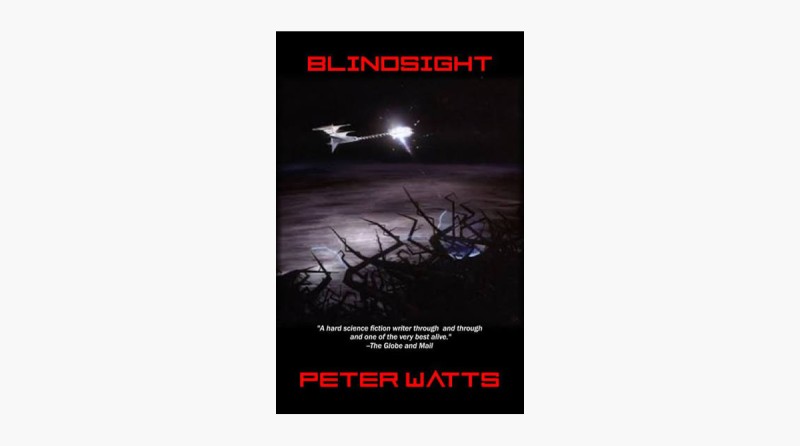 Hard sci-fi about contact with a mind that has intelligence but no consciousness. You read it — and suddenly start thinking about AI in a whole new way: do you really need to "understand" in order to solve problems? A book that hits the nerve of our time dead-on.

William Gibson, Neuromancer.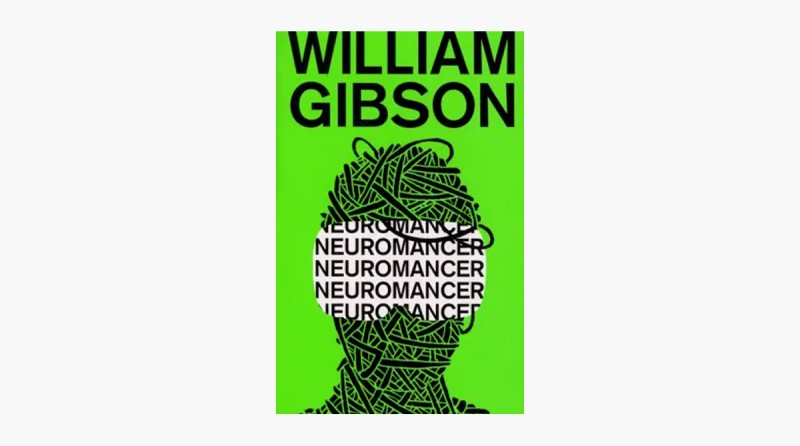 The novel that coined the word "cyberspace" — years before the internet as we know it existed. The father of cyberpunk. Worth it just to feel how one person guessed a digital world that didn't exist yet.
Ted Chiang, Stories of Your Life and Others.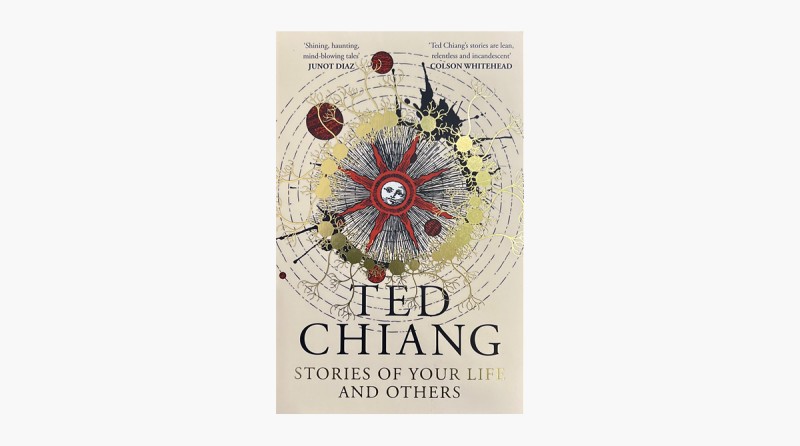 A collection where every story is a perfectly assembled logical structure. Chiang takes linguistics, theology, determinism — and builds stories that leave you sitting in silence afterward. A masterclass in squeezing the maximum out of a single idea.
Neal Stephenson, Cryptonomicon.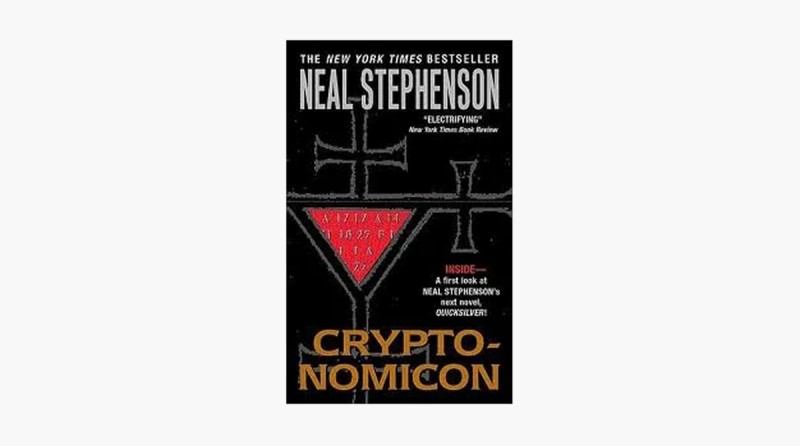 A massive novel about ciphers, hackers, and engineers across two eras. In places it reads like a tech doc — just a gripping one. Great for building a taste for how big systems and big ideas live over time.
Engineering taste and quality: about the craft, not the language
These are books that change not what you write, but how you feel about it. What "well made" actually means, why projects fall apart, and where quality comes from.
Tom DeMarco, The Deadline.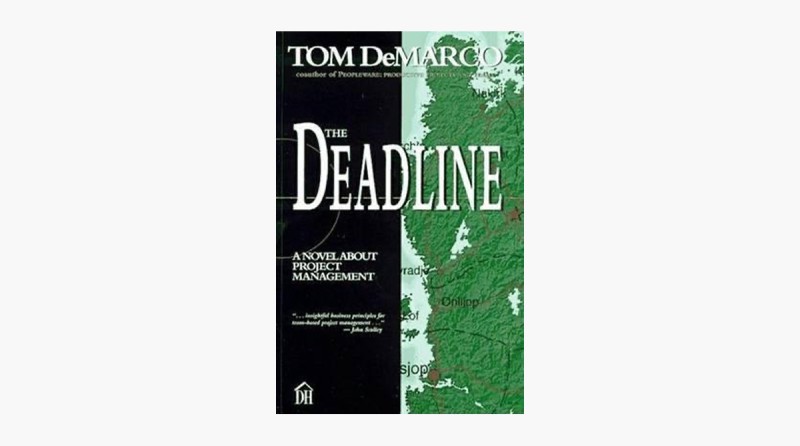 A project-management textbook disguised as a novel. A manager gets kidnapped and forced to run software projects in a fictional country — and along the way you soak up everything about deadlines, teams, and the rakes everyone steps on. A rare case where you read about management like a thriller.
Frederick Brooks, The Mythical Man-Month.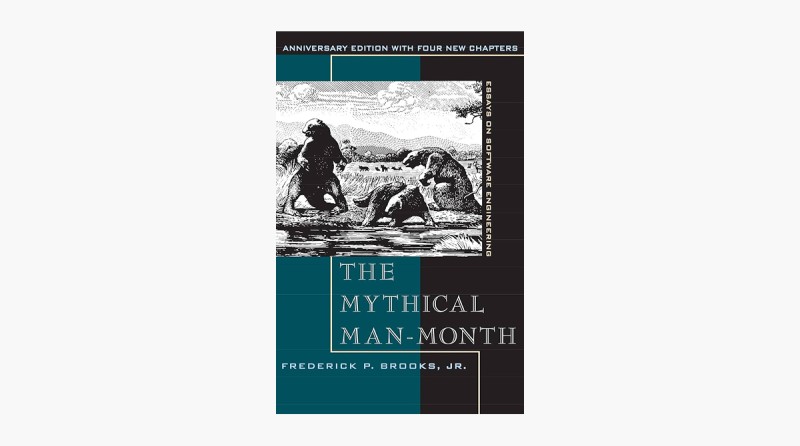 The book is half a century old and still sharper than most fresh ones. This is where Brooks's law comes from: adding people to a late project makes it later. If you want to understand why deadlines burn — and not out of laziness — this is the foundation.
Andrew Hunt and David Thomas, The Pragmatic Programmer.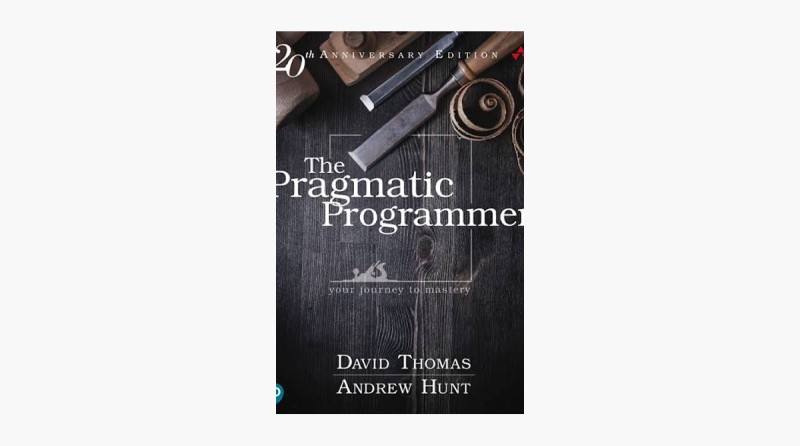 The closest to "technical," but really it's about mindset and your approach to the craft. About owning your code, about not becoming a hostage to legacy. One of those books worth rereading every couple of years.
Robert Pirsig, Zen and the Art of Motorcycle Maintenance.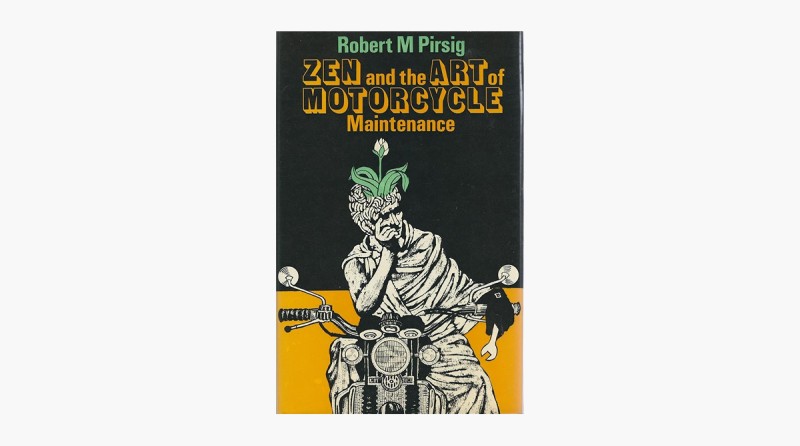 A philosophical road-trip novel about what "quality" even is and why some people do things properly while others just want to ship. Slow, but it recalibrates your lens. After it, you look at your own code differently.
How your head actually works
You make decisions all day long — which approach to pick, where to cut a corner, whom to trust. Now for some books about how the brain does that, and where it quietly fools you.
Daniel Kahneman, Thinking, Fast and Slow.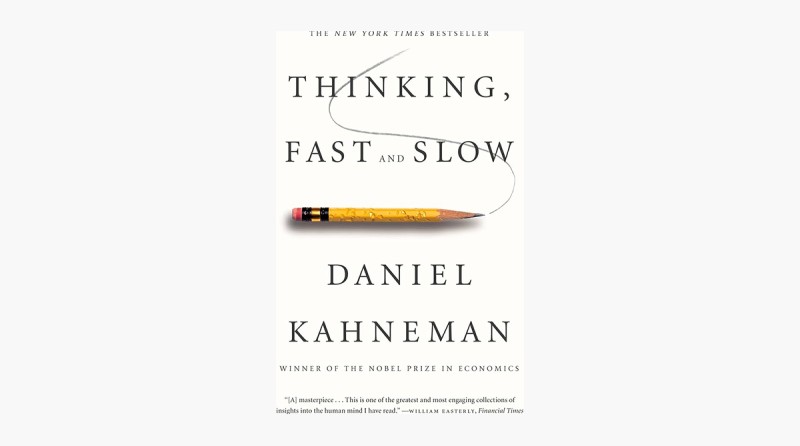 A Nobel laureate breaks thinking into two systems: the fast, intuitive one and the slow, deliberate one. And he shows dozens of traps we fall into on autopilot. After it, you start noticing your own cognitive bugs — and that's half the battle.
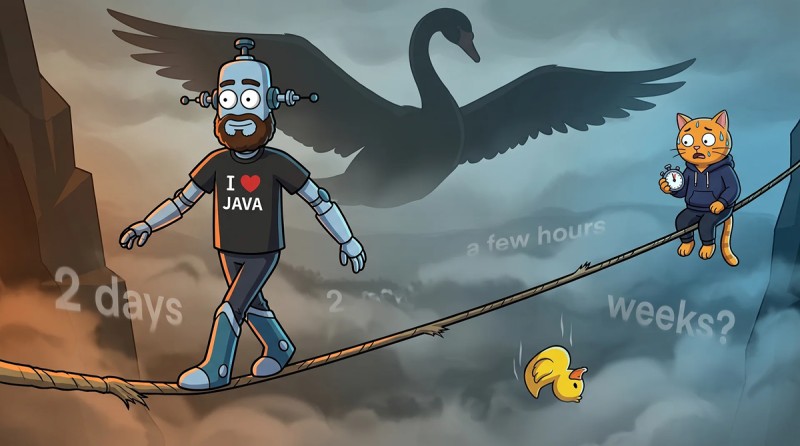
Nassim Taleb, The Black Swan.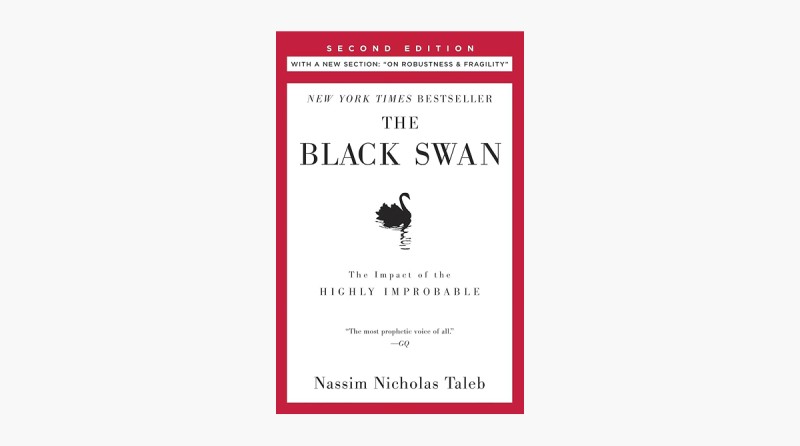 About rare, unpredictable events that change everything — and about how we convince ourselves after the fact that "it was all obvious." It clears your head about forecasts, risks, and false confidence. Useful for anyone who has ever estimated a task at "two days."
Cal Newport, Deep Work.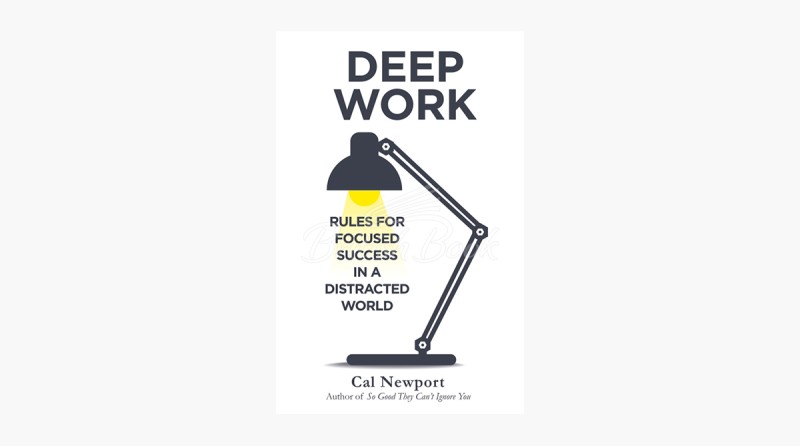 About deep concentration in a world specifically built to distract you. For a profession where one hour of real focus is worth a whole day in "ten tabs and Slack" mode — this is almost required reading.
People: code is written for people and with people
Techies often think their job is about machines. But the further you go, the more it's about people: negotiating, explaining, understanding someone else's position. Fiction trains empathy better than any workshop.
Erich Maria Remarque, Three Comrades.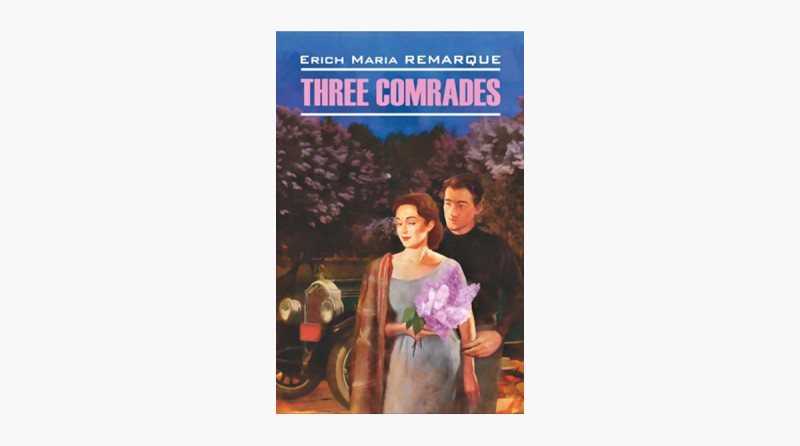 About friendship, loss, and human warmth against hard times. Nothing about technology — and that's exactly why you need it. A reminder that behind every ticket and every colleague there's a living person.
Harper Lee, To Kill a Mockingbird.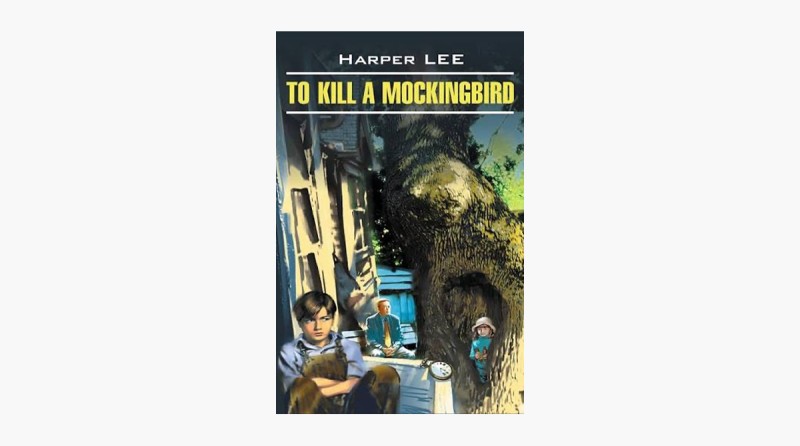 The whole book is about the ability to stand in someone else's shoes and see through their eyes. That very skill without which there's no decent code review, no conversation with a client, no healthy team.

Just exhale (this matters too)
A brain that never rests doesn't produce good decisions.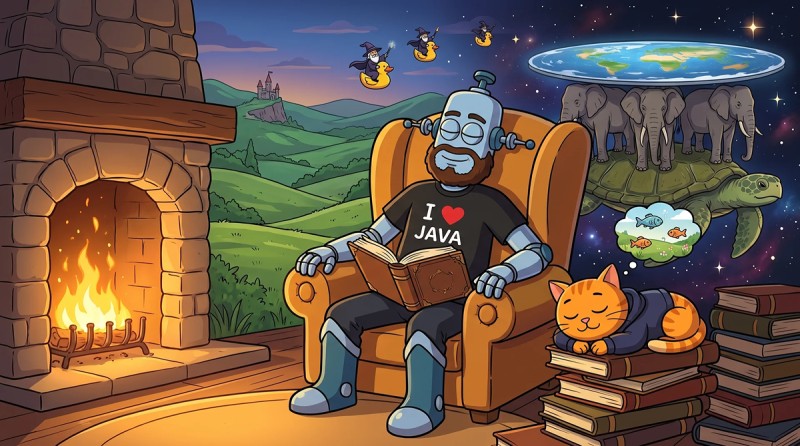 These two are for rebooting, laughing, and soaking up some imagination. With no "professional" benefit at all — although it's quietly in there too.
Terry Pratchett, the Discworld series.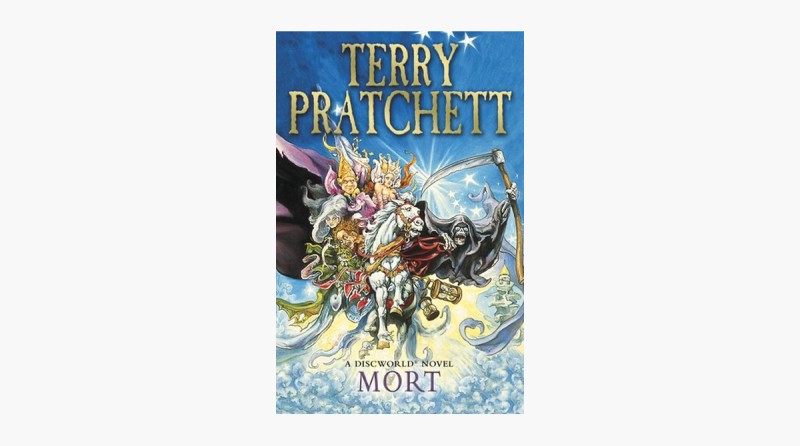 Funny, smart fantasy where sharp satire on our reality — bureaucracy, technology, people — hides under the jokes. Start with the City Watch books or the ones about the wizards. The perfect cure for burnout.
J. R. R. Tolkien, The Lord of the Rings and Middle-earth.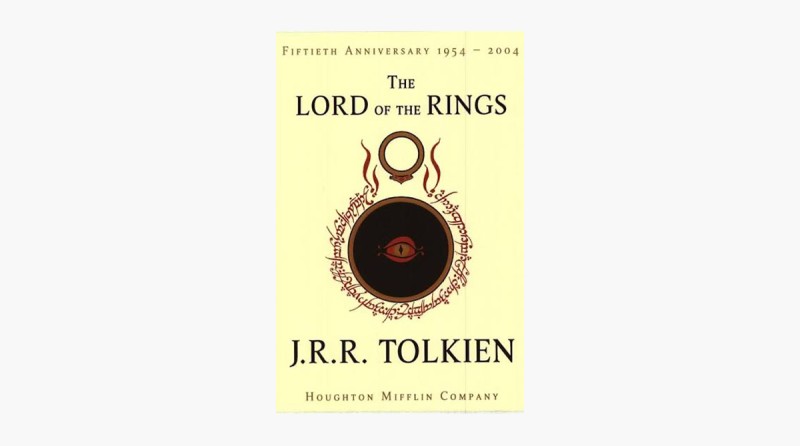 The gold standard of world-building: a detailed world with languages, history, and geography, built by one person over decades. If you've ever enjoyed designing a big system from scratch — you'll get Tolkien like family.
What to do with all this
Don't try to swallow all 15 at once — this isn't a checklist or a sprint. Pick the one that grabbed you, and start there.
The point isn't to tick boxes. It's that syntax gets old, while your way of thinking compounds: it builds up and works for you for years. Especially now, when AI writes more and more of the routine code, and deciding what to write and why is still on you.
So yeah — the best investment in a developer sometimes isn't in the "programming" section. It's a couple of shelves to the left.
GO TO FULL VERSION