Honestly, the best way to learn Python is through CodeGym. We've built an interactive platform packed with practical tasks (over 800!) where every solution gets checked automatically. Plus, we have an AI mentor that acts like your personal trainer, watching your mistakes 24/7 and telling you exactly what to fix. Basically, it's the complete package for actually learning to code in Python and becoming a developer.
But I get it—sometimes you want to supplement your learning with good books. Over years of teaching and working in tech, I've read mountains of programming literature. I started by teaching friends and acquaintances, focusing on practice and what you actually need for work and interviews. Then I began teaching anyone who wanted to learn. Eventually, my programmer friends and I launched CodeGym—a project that's genuinely changed thousands of lives. Can you believe over 30,000 people from 40 countries have landed their first tech jobs thanks to our platform!
So when I recommend books, I'm not just talking off the top of my head. I've picked the 12 smartest Python books for 2025—for complete beginners, those who want to go deeper, and folks targeting specific areas like web development or data science.
Comparison table: which Python book to choose
| Book | Level | Pages | Focus | Best for |
| Automate the Boring Stuff | Beginner | 500+ pp | Practice/automation | First Python book |
| Python Crash Course | Beginner-intermediate | 560 pp | Projects | Building portfolio |
| Head First Python | Beginner | 500 pp | Visual learning | Visual learners |
| Think Python | Beginner-intermediate | 300 pp | CS fundamentals | Understanding algorithms |
| Learning Python | Intermediate-advanced | 1600 pp | Theory | Deep understanding |
| Effective Python | Intermediate-advanced | 280 pp | Best practices | Improving code |
| Python Tricks | Intermediate | 300 pp | Tricks/idioms | Style development |
| Real Python Course | Intermediate | 400 pp | Practical projects | Real-world tasks |
| Python for Data Analysis | Intermediate | 550 pp | Data Science | Data analysts |
| Django for Beginners | Intermediate | 350 pp | Web development | Web developers |
| Fluent Python | Advanced | 770 pp | Architecture | Senior level |
| Architecting HackerRank | Intermediate | 200 pp | Algorithms | Interviews |
1. "Automate the Boring Stuff with Python" — Al Sweigart
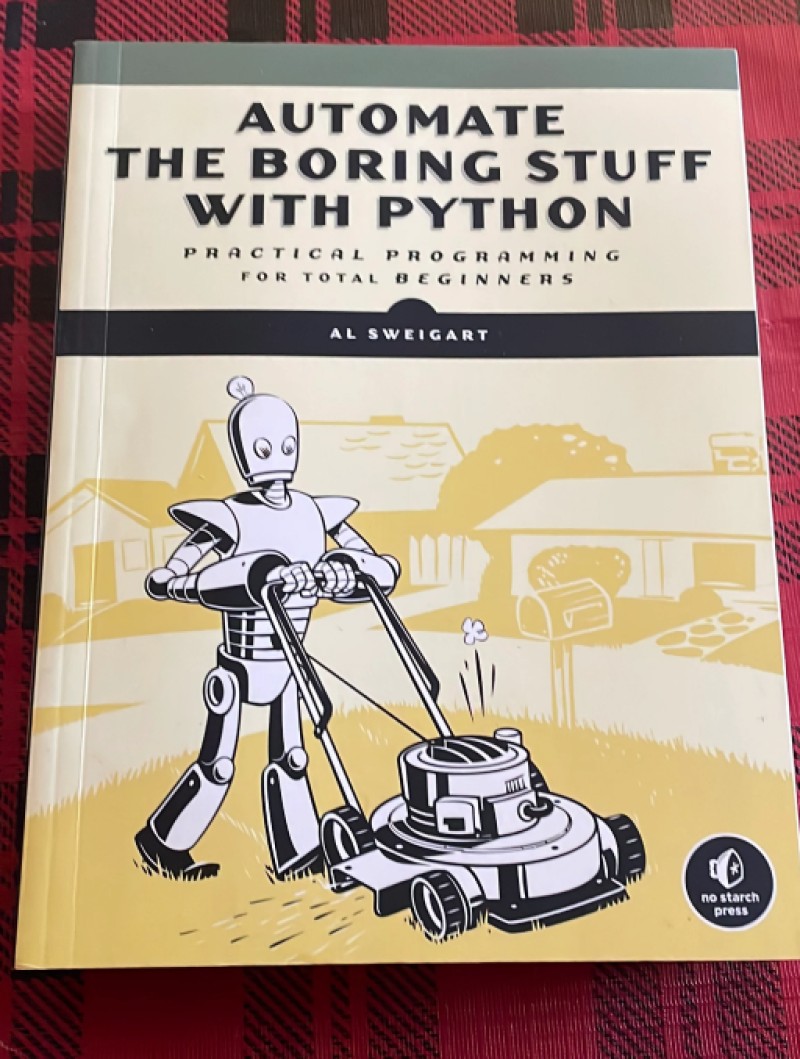
This book is an absolute goldmine for programming newbies. Sweigart shows how Python can solve real everyday problems. Instead of boring theory, you immediately learn to automate file work, parse web pages, and work with Excel spreadsheets.
Why it rocks:
- Hands-on approach from page one
- Tons of automation examples for tedious tasks
- Perfect for people with zero programming experience
- Motivates you to keep learning
Reading this book, you'll quickly understand the power of programming and see how Python simplifies life. It's exactly what you need at the start. Honestly though, our students at CodeGym grasp programming's power even faster—around the end of the first level. But more on that later 😉

2. "Python Crash Course" — Eric Matthes
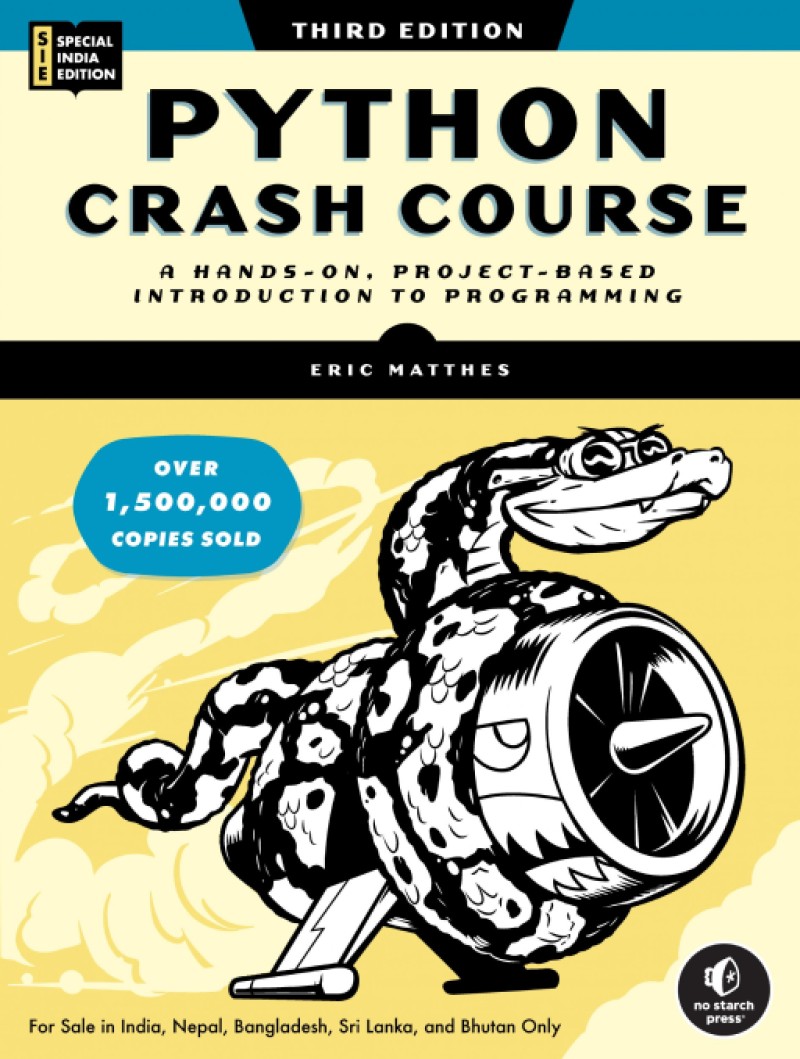
Matthes created an excellent balance between theory and practice. The book's split into two parts: language fundamentals and three major projects (a game, data visualization, and a web app).
What makes it special:
- Structured progression from simple to complex
- Three complete projects for your portfolio
- Modern programming practices
- Prepares you for real developer work
After this book, you'll have a solid foundation and understand how to create genuine programs.
3. "Head First Python" — Paul Barry
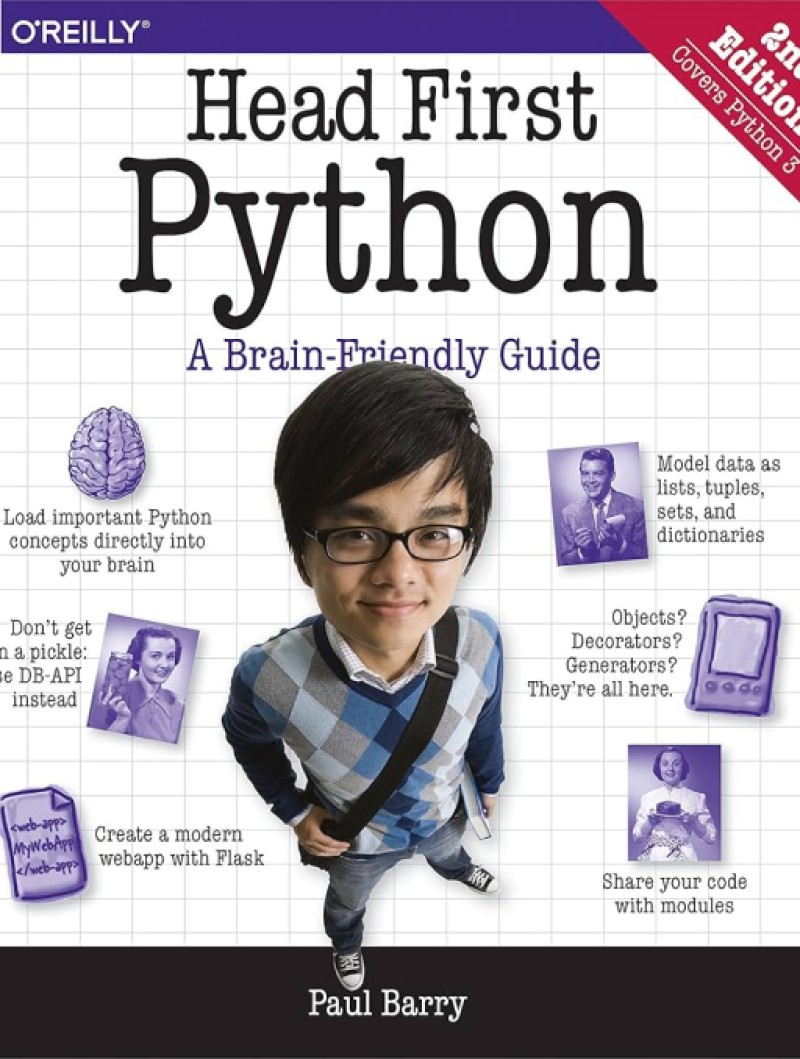
If you're someone who absorbs information better visually, this book is your choice. Barry uses the special Head First approach with tons of pictures, diagrams, and fun examples.
Features:
- Visual learning style
- Lots of illustrations and schemas
- Interactive exercises
- "Learning through fun" approach
The book's written so your brain doesn't get bored. If classic textbooks put you to sleep, try this format.
4. "Think Python" — Allen Downey
Downey approaches Python from a computer science perspective. The book doesn't just teach syntax—it develops algorithmic thinking and understanding of programming fundamentals.
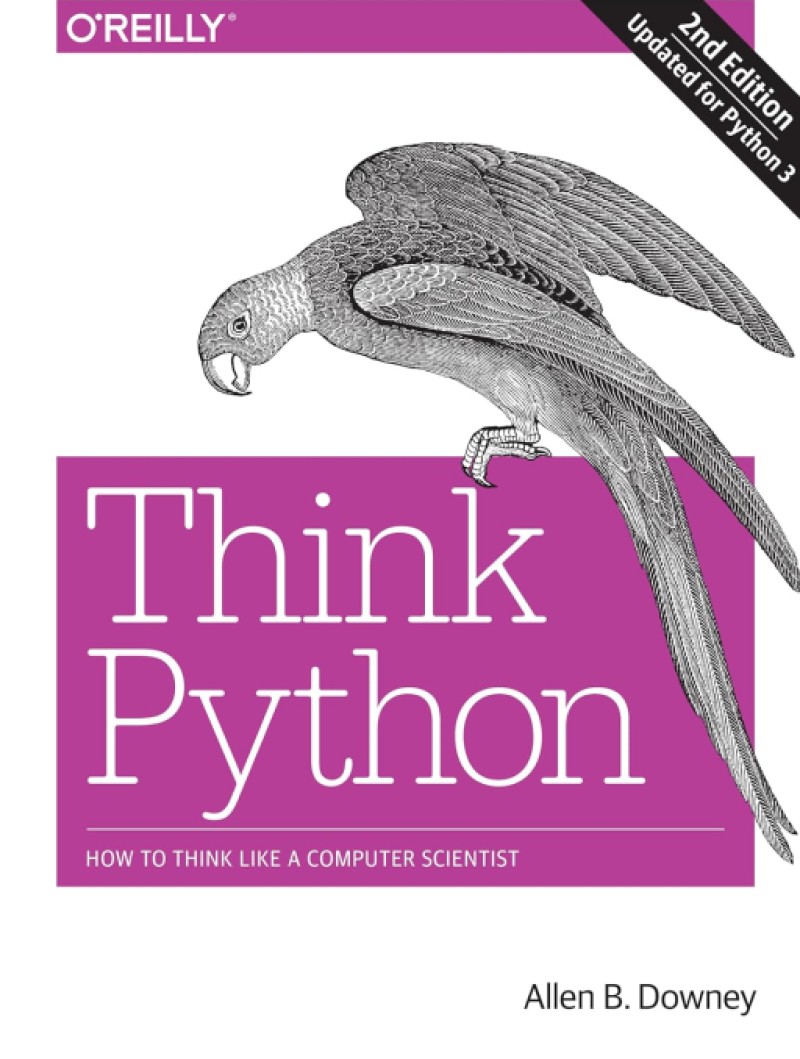
What you'll learn:
- Think like a programmer
- Solve problems step by step
- Understand algorithm basics
- Write clean, readable code
Excellent choice for those planning to seriously pursue programming, not just write scripts.
5. "Learning Python" — Mark Lutz
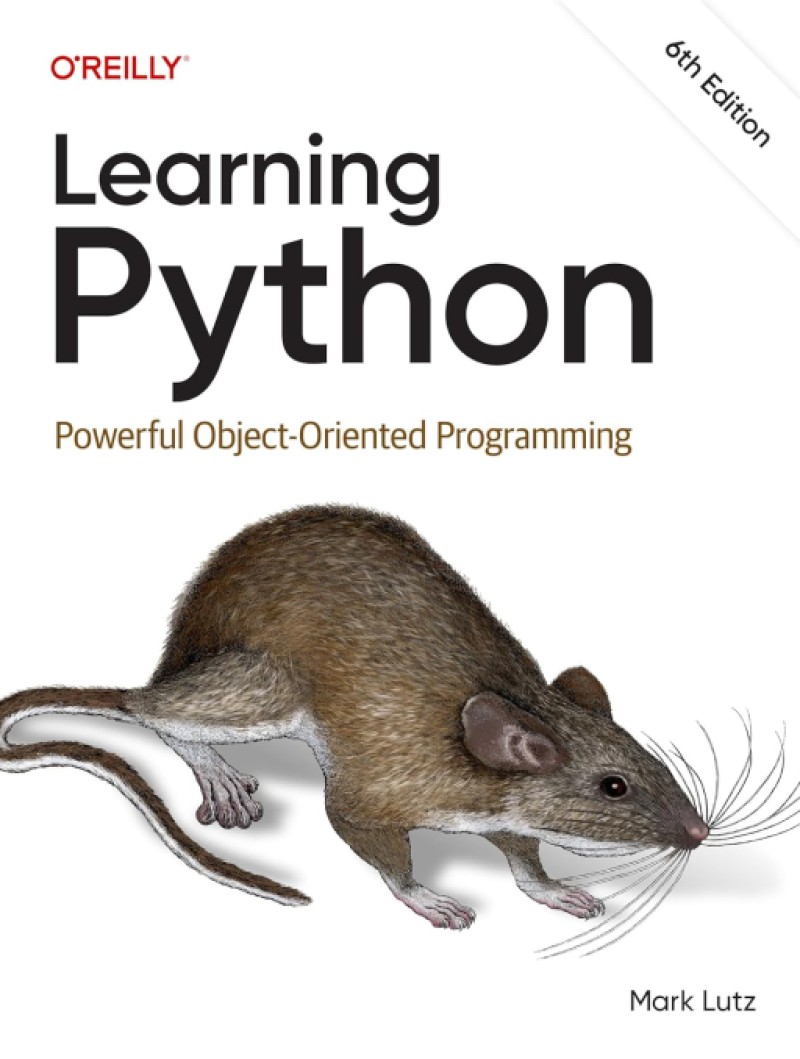
Lutz wrote a massive tome—a true Python encyclopedia for those who want to understand the language inside and out. The author meticulously examines every detail in Python, from basic syntax to all sorts of clever tricks.
Pros:
- Maximum complete language coverage
- Deep understanding of internal mechanisms
- Lots of examples and exercises
- Works as a reference guide
Cons:
- Very lengthy (nearly 1600 pages)
- Might seem overwhelming for beginners
- Takes longer to read than actually learning Python hands-on 😄
I recommend reading this after mastering the basics. Perfect book for transitioning from beginner to confident programmer. Though our students usually make this transition by level 30 of our course, but who's counting...
6. "Effective Python" — Brett Slatkin
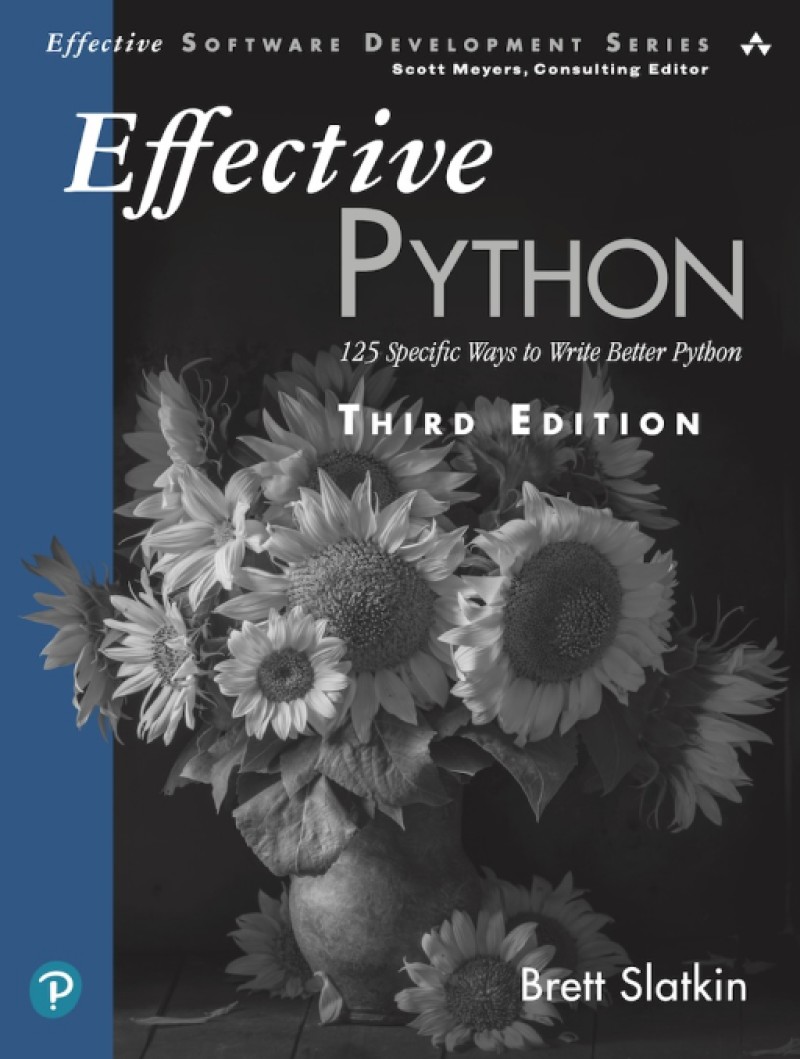
Slatkin worked at Google and knows how to write quality Python code. The book consists of 90 practical tips that help you write more readable, efficient, and "Pythonic" code.
What you'll get:
- Best practices from an experienced developer
- Understanding of idiomatic Python
- Ways to avoid common mistakes
- Code optimization techniques
This book will transform you from someone who knows syntax into a developer who thinks in Python.
7. "Python Tricks" — Dan Bader
Bader collected a library of non-obvious but powerful Python capabilities. The book reads easily and shows elegant solutions to common problems.
Why you should read it:
- Short but meaningful chapters
- Lots of "aha moments"
- Practical tricks for daily work
- Develops "Pythonic" thinking style
After this book, your code will become more elegant and professional.
8. "Real Python Course" — Real Python team
This book was created by the team behind the popular Real Python resource. The hook is that it contains practical examples from real projects.
What's inside:
- Real industry case studies
- Modern development practices
- Working with popular libraries
- Advice from practicing developers
The book gets constantly updated, so it always contains current information.
9. "Python for Data Analysis" — Wes McKinney
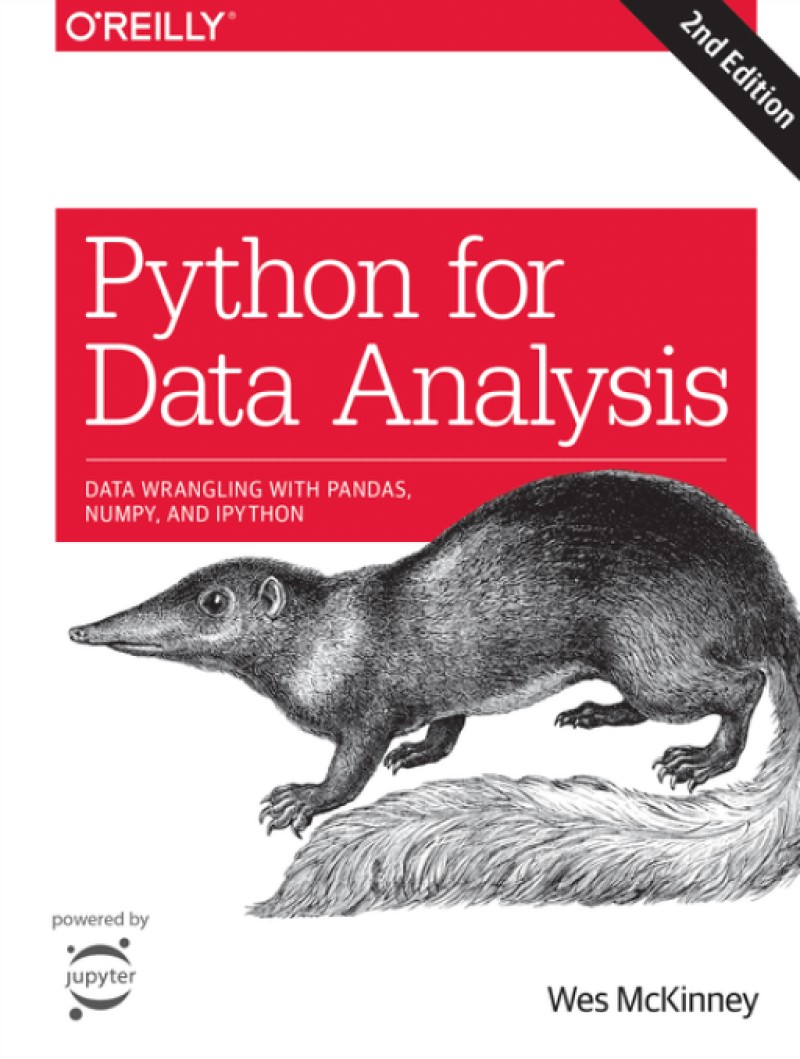
If you're interested in data science and analysis, McKinney is your guru. He created the pandas library and knows how to work with data in Python.
You'll learn:
- The pandas library for data work
- NumPy for numerical computing
- Matplotlib for visualization
- Jupyter Notebook for analysis
After this book, you'll be able to analyze any data—from company sales to sociological survey results.
10. "Django for Beginners" — William Vincent
Want to create web applications in Python? Then you need to learn Django, and Vincent's book is the best way to start.
You'll learn to create:
- Blogs and news sites
- User registration systems
- APIs for mobile apps
- Full-featured web applications
Vincent explains complex concepts in simple language and shows how to create several real projects.
11. "Fluent Python" — Luciano Ramalho
Ramalho goes deep into Python's language features. This book is for those who want to understand why Python works the way it does, not some other way.
What's inside:
- Deep dive into Python's object model
- Advanced language features
- Metaprogramming and descriptors
- Asynchronous programming
This is the book for transitioning to senior level. Challenging, but incredibly useful.
12. "Architecting HackerRank Python Solutions" — Matthew Fowler
Fowler shows how to solve algorithmic problems in Python. The book will teach you to think algorithmically and prepare for technical interviews.
Pros:
- Practical interview preparation
- Develops algorithmic thinking
- Breaks down popular solution patterns
- Code optimization for time and memory
Especially useful when preparing for interviews at tech companies.
How to choose a Python book for your goals
Want to become a web developer:
- Start with "Python Crash Course" (fundamentals + web project)
- Move to "Django for Beginners" (specialization)
- Go deeper with "Effective Python" (code quality)
Interested in data analysis:
- "Automate the Boring Stuff" (basics of working with files and data)
- "Python for Data Analysis" (pandas, numpy, visualization)
- "Think Python" (algorithmic thinking)
Planning to become a full-stack developer:
- "Python Crash Course" (solid foundation)
- "Effective Python" (professional practices)
- "Fluent Python" (advanced level)
- "Real Python Course" (modern approaches)
Preparing for interviews:
- "Learning Python" (deep language knowledge)
- "Effective Python" (best practices knowledge)
- "Architecting HackerRank Solutions" (algorithms)
Love learning visually:
- "Head First Python" (visual approach)
- "Python Crash Course" (lots of projects)
- "Think Python" (thinking development)
Practical advice from an instructor
Over years of teaching programming, I've noticed one thing: books are great, but without practice they're useless. You could read all twelve books and still not learn to program. It's like learning to swim from a textbook—theoretically you know all the strokes, but practically you're sinking 😅
So my advice: pick one or two books to supplement your main learning. And let the main thing be something interactive, with tons of hands-on tasks.
At CodeGym, we created exactly that kind of platform. Our Python course includes:
- 800+ hands-on tasks with automatic checking
- AI mentor that analyzes your mistakes in real-time
- Gamification that makes learning engaging
- Portfolio projects
This approach works. Our students find tech jobs on average 6-8 months after starting their studies.
Fun fact: in the time it takes to read one thick Python book, you could complete half of our interactive course and already be writing working programs. But that doesn't mean books are bad—practice is just more effective! 🐍
How to read programming books effectively
- Don't read sequentially — choose chapters based on current needs
- Practice mandatory — type out code from the book by hand
- Solve additional problems — books give theory, problems give skills
- Take notes — write down important points and examples
- Return to what you've read — things become clearer over time
Remember: the best programmers never stop learning. They constantly study new Python libraries, frameworks, and development approaches.
What's next?
Books are an excellent supplement to learning, but not the foundation. If you're serious about becoming a Python developer, I recommend:
- Start with an interactive course — where there's lots of practice and instant feedback
- Read one book in parallel — to deepen knowledge
- Solve problems on platforms — LeetCode, HackerRank, or best of all on CodeGym
- Write your own projects — for your portfolio
And remember: a programmer without practice is like a chef who only reads recipes but never cooks. Theoretically they know how to make soup, but practically they might burn water! 🍲
Conclusion
Python is genuinely an awesome language for getting into programming. It's needed everywhere—web development, data analysis, machine learning, process automation, and backend work. Python developers earn well—they're among the top three highest-paid programmers. Good books will help you get into the language faster, but don't forget the main thing: programming is learned with your fingers, not your eyes.
Start learning Python today. In a year, your life could change dramatically. And that's not an exaggeration—we've seen it thousands of times.

Frequently asked questions about Python books
Q: Which book should a complete beginner choose for learning Python from scratch?
A: For absolute beginners, "Automate the Boring Stuff with Python" by Al Sweigart or "Head First Python" if you love visual learning work best. They show practical Python applications from the first pages and don't require prior programming knowledge.
Q: Are books even needed for learning Python or are online courses enough?
A: Books are an excellent supplement, but not the foundation of learning. Programming is learned hands-on, so interactive courses with practical tasks are much more effective. Books should be used to deepen knowledge alongside practice.
Q: Which Python books are needed for web development?
A: For web development, start with "Python Crash Course" for fundamentals, then "Django for Beginners" to learn the main Python web framework. These two books will give you complete understanding of web application creation.
Q: What should I read for working with data in Python?
A: "Python for Data Analysis" by Wes McKinney is mandatory for anyone working with data. The author created the pandas library and knows the subject inside out. Supplement it with "Think Python" for algorithm understanding.
Q: How much time does it take to learn Python from books?
A: Reading one book takes 2-4 weeks, but real language mastery requires constant practice. It's better to read a book alongside solving problems on programming learning platforms.
Q: Which Python books help prepare for developer interviews?
A: For technical interview preparation, "Effective Python" by Brett Slatkin, "Learning Python" by Mark Lutz, and "Architecting HackerRank Python Solutions" by Matthew Fowler work best. They'll teach you to write quality code and solve algorithmic problems.
Q: In what sequence should these books be read?
A: Recommended sequence: start with "Automate the Boring Stuff" or "Python Crash Course," then "Effective Python" to improve code style, and "Learning Python" for deep language understanding. Save "Fluent Python" for advanced level.
Q: Which book works best for visual learning?
A: "Head First Python" by Paul Barry uses a unique visual approach with tons of pictures, diagrams, and interactive exercises. Perfect for those who absorb information better through visual images.
Q: Can you learn Python just from books without a mentor?
A: Theoretically yes, but it takes much longer and is more difficult. Feedback from an experienced programmer or AI mentor significantly speeds up learning and helps avoid typical beginner mistakes.
Good luck learning Python! Remember: every line of code brings you closer to a new career.
GO TO FULL VERSION