I'll admit it up front: I'm impossible to watch movies with.
There's always that scene where a hacker in a hoodie hammers the keyboard for four seconds and whispers "I'm in." That's where I hit pause. And start explaining. That's not how it works. Nobody guesses a password on the third try. Characters on a screen don't fall from the top. My friends put up with this for about three movies, then started inviting me to comedies only.
And then Mr. Robot paused me. Elliot typed a command in his terminal, and I caught myself not explaining anything — I was copying it into a notebook. It was real. I ran it against my own home router. It worked.
Since then I sort tech movies into two piles: the ones that make my eye twitch, and the ones that make me want to open a terminal. Both are below. For each one: what's real, what's made up, and why it's worth your evening.
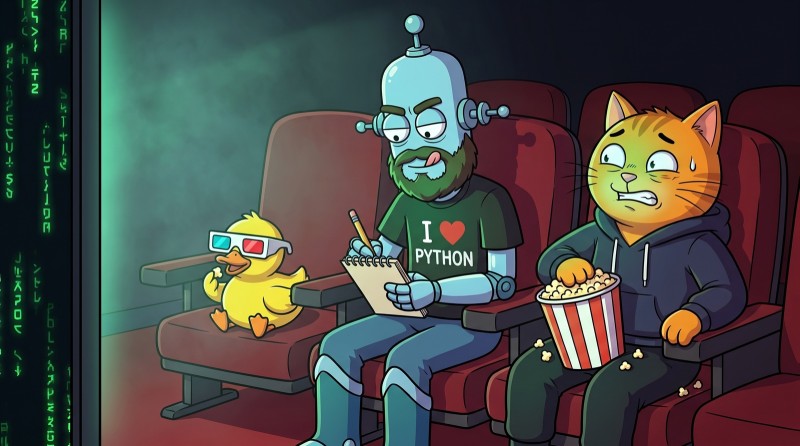
The short version: the best show about actually working as a programmer is Silicon Valley, the most honest one about hackers is Mr. Robot, and the best one about how personal computers came to be is Halt and Catch Fire. Details — and twenty-two more picks — below.
Shows where you'll recognize your own job
Silicon Valley (2014–2019)
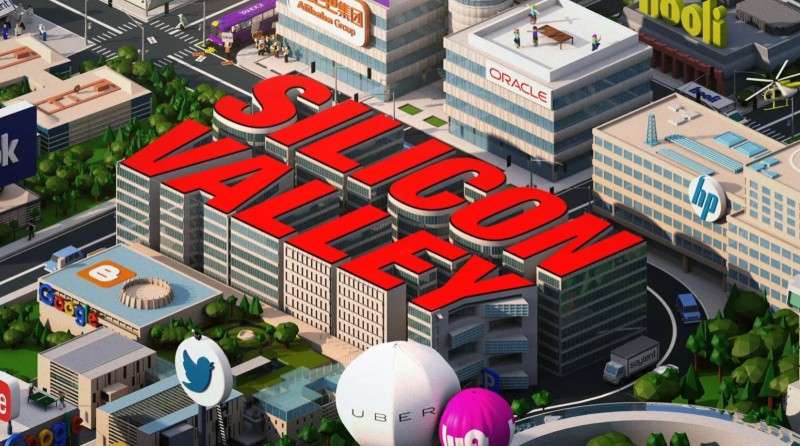
Six seasons about a startup trying not to die: investors who don't understand the product, coworkers who understand it their own way, and a Friday deploy everyone will regret.
The best part is how seriously the writers took the technical side. The compression algorithm the plot hinges on was worked out with Stanford professor Tsachy Weissman and his grad student. The "Weissman score" the characters use to compare compression performance was invented for the show — and then escaped into the real world: people started using it in papers and lectures, while trying not to mention where it came from.
The second story is even better. In one episode, a character builds an app that does exactly one thing: tells you whether the photo is a hot dog or not a hot dog. After the episode aired, HBO actually shipped it to the App Store. Under the hood: a neural network built with TensorFlow and Keras, trained on 150,000 images. The joke about a useless startup turned out to be a perfectly solid computer vision practice project — exactly the kind of classifier people build in Python once they get to machine learning. In our Python Course, you get there through 800+ tasks, so by the time a neural network shows up, you know what it's actually doing to the image, not just that "it somehow works."
The IT Crowd (2006–2013)
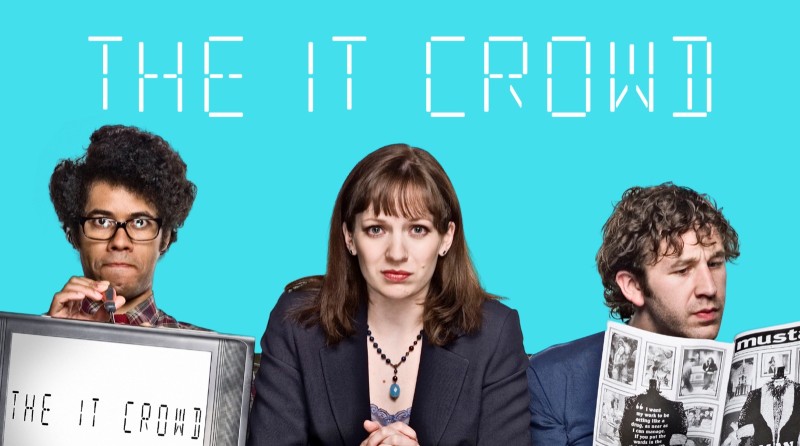
Two IT guys and their boss, who can't tell the internet from a box with a blinking light, sit in the basement of a big corporation. A British sitcom with short episodes and zero commitment — start anywhere.
It's not about code so much as everything around it: the "nothing works" calls, the "have you tried turning it off and on again?" Anyone who's ever fixed a relative's computer will recognize themselves in the first five minutes.
Halt and Catch Fire (2014–2017)
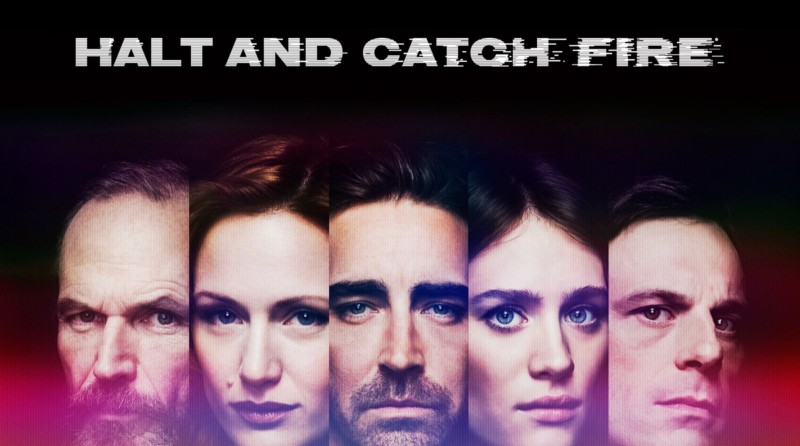
Four seasons, from cloning the IBM PC in the early '80s to the first browsers and search engines in the '90s. The title is an old engineering joke: a made-up machine instruction that makes the CPU stop and catch fire. It dates back to the IBM System/360 in the '60s.
This is the most underrated show on the list. It isn't about geniuses who know everything in advance — it's about people who bet on a technology before anyone needs it, and often lose. It's especially interesting to watch now: AI in 2026 is exactly where personal computers are in season one. Everyone knows it matters. Nobody knows what it'll grow into. The rules are being written by the people already inside.

Mythic Quest (2020–2025)
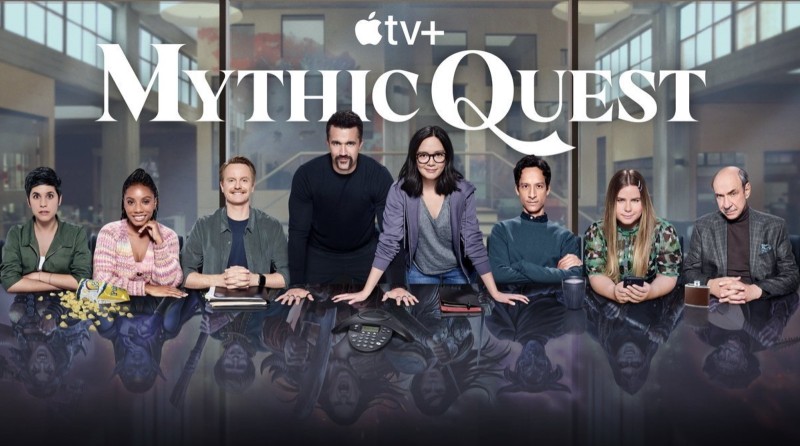
A comedy about a studio making an online game. The creative director thinks he's a genius, the lead engineer is the only person who knows why the servers are still alive, and monetization is run by someone who genuinely doesn't see why a game needs a story. Four seasons, 40 episodes; when the show was canceled, the creators managed to rework the final episode so they could say a proper goodbye.
A great pick if you work in product: the fights between the people who build and the people who sell are captured more precisely than in any management book.
Hackers: from "that's hilarious" to "wait, that's real"
Ranked on an honesty scale — from pure fantasy to the most realistic.
Hackers (1995) — honesty 1 out of 5
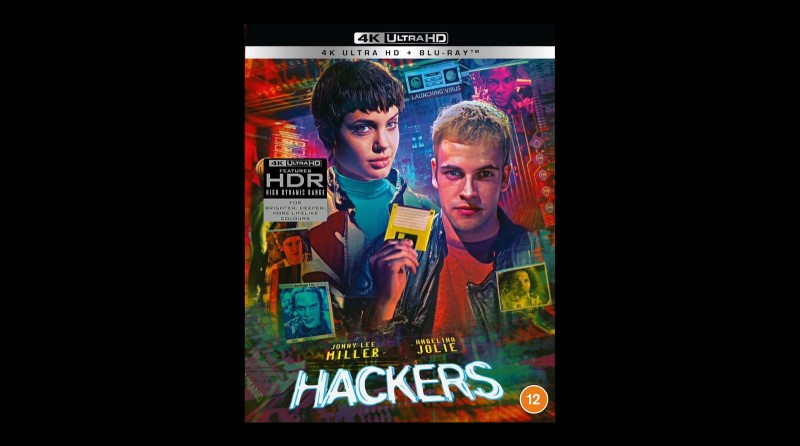
Teenagers on rollerblades hack a corporation, fighting a virus inside a neon 3D cyberspace. Angelina Jolie in one of her first big roles. "Hack the planet!" still lives on T-shirts.
Pretty much nothing here matches reality, which is exactly why it became a cult classic. Watch it as a beautiful fairy tale from the era when the internet felt like magic.
The Matrix (1999) — honesty 2 out of 5
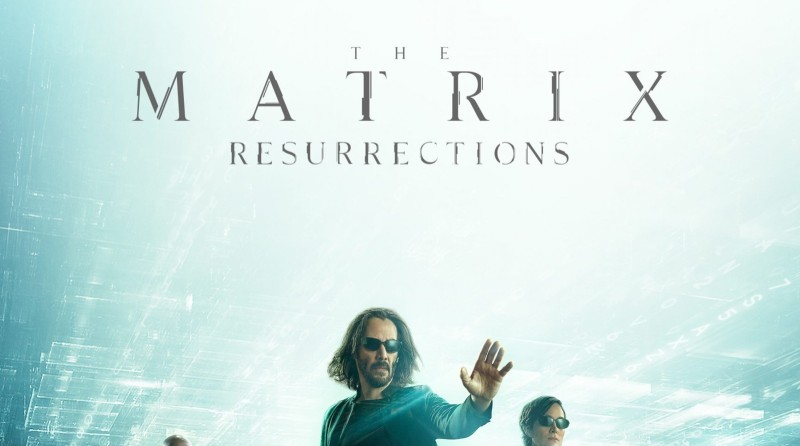
Not much actual programming, but it has the most recognizable "code" in film history — the green rain of characters. Its creator, designer Simon Whiteley, likes to say he scanned the symbols from his wife's Japanese cookbooks. So when Neo stares into the Matrix, he's largely reading sushi recipes. Whiteley himself calls that a simplification — there's Japanese script, numbers, and Latin letters in there too — but it's too good not to repeat.
Jurassic Park (1993) — bonus scene
Not a hacker movie, but it has maybe the most mocked tech scene of the '90s. A girl sits down at a computer, sees 3D blocks flying by, and shouts: "It's a Unix system! I know this!"
The internet laughed at that for years. Wrongly: the program is real. It's FSN, a 3D file manager Silicon Graphics built for IRIX, their flavor of Unix. Block height is file size, color is file age. It was awkward to use, but the girl didn't lie about a single thing.
WarGames (1983) — honesty 3 out of 5
A high schooler looking for free access to new games dials into a military computer with his modem and nearly starts a nuclear war. Naive? President Reagan watched the film and asked his military advisers whether something like that could really happen. The Chairman of the Joint Chiefs of Staff came back with: "The problem is much worse than you think." About a year later came NSDD-145 — one of the first U.S. national policies on protecting computer systems.
Not every movie gets to change government policy. This one did.
Sneakers (1992) — honesty 3.5 out of 5
A team hired to test bank security (today we'd call it a pentest) stumbles onto a device that can break any encryption. Robert Redford, Sidney Poitier, and anagram puzzles.
The hacking is very Hollywood, but the movie nailed the big idea decades ahead of everyone else: the weak spot in any system is people, not code. Half the "hacks" here are social engineering — call, introduce yourself, walk in.
Mr. Robot (2015–2019) — honesty 5 out of 5
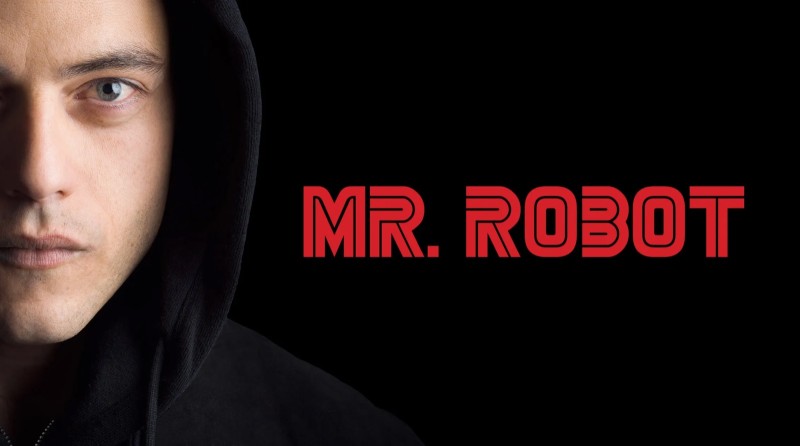
Elliot is a cybersecurity engineer by day and a lone-wolf hacker by night. Four seasons, 45 episodes, an Emmy for Rami Malek in the lead role.
This is the gold standard. The show had a technical consultant, Kor Adana, who previously worked in network security at one of the world's largest automakers, doing penetration testing and digital forensics. Every hack is grounded in real-world precedent, the screen shows real tools and Kali Linux, and you can pause on terminal commands and read them: they make sense. Adana says the only thing they fudge is timing. In real life, it all takes longer.
If after season one you feel like opening a terminal and trying it yourself — that's a normal reaction. It's how a lot of people end up in this field.
AI — before it was the news
These were made when "neural network" sounded like something out of science fiction. Rewatching them in 2026 is its own kind of fun: you can see what they got right and what hasn't happened yet.
Ex Machina (2014)
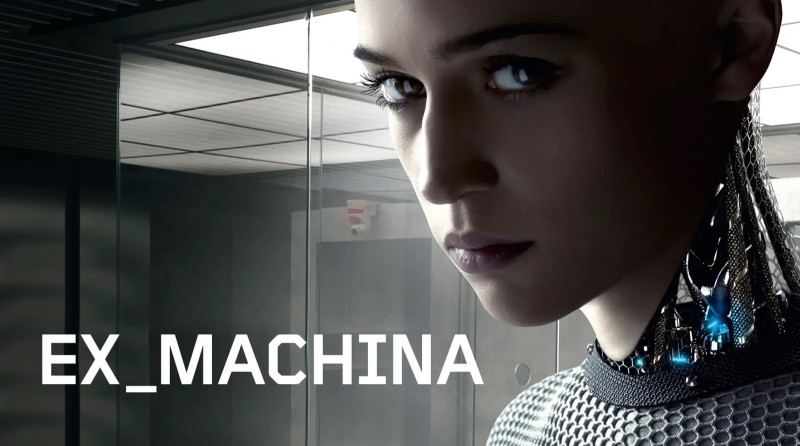
A programmer is invited to spend a week at the house of a genius tech founder to run a Turing test on a robot named Ava. The question isn't "can a machine think" — it's "can it convince you it thinks." And who in that room is really testing whom.
The film was made for $15 million and took the Oscar for Visual Effects from Mad Max: Fury Road, The Martian, and Star Wars.
Her (2013)
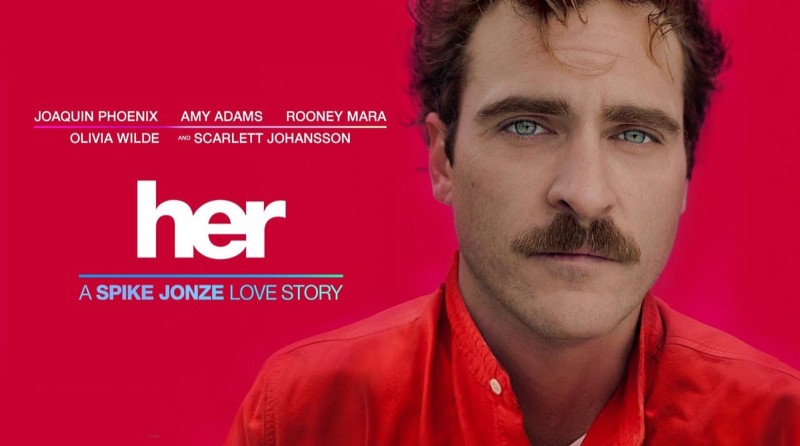
A man falls in love with a voice operating system. In 2013, it looked like a lovely fantasy. Now it looks like a trailer for an update someone's shipping next week. Oscar for Best Original Screenplay.
Pantheon (2022–2023)
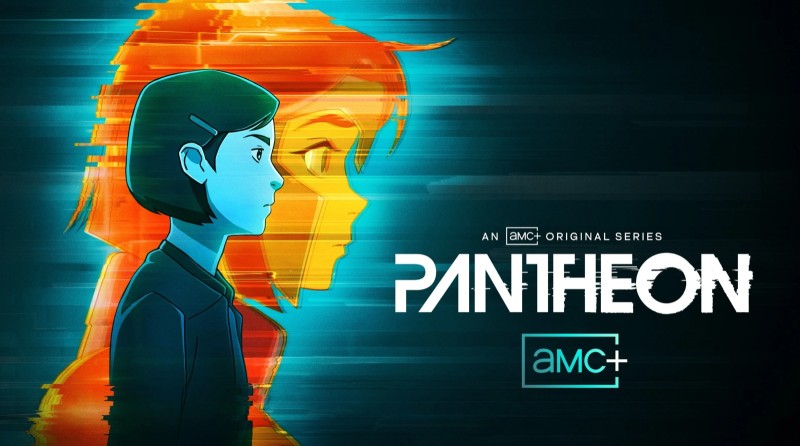
An animated series based on stories by Ken Liu: a teenage girl finds out her late father, a programmer, isn't really gone — his mind was digitized, and now he lives on the network. From there: corporations, a race for the technology, and questions with no comfortable answers.
The show had a dramatic run: the network canceled it to cut costs even though season two was already finished. Netflix bought the rights, and in February 2025 season two finally came out — worldwide. Good news for anyone who likes smart sci-fi without superheroes.
Person of Interest (2011–2016)
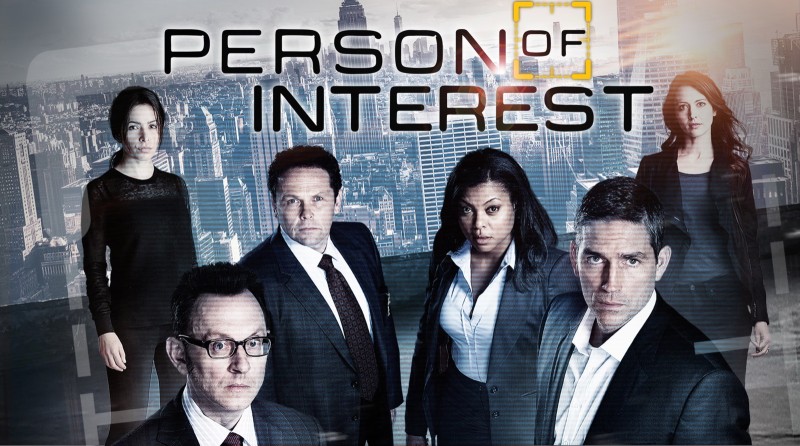
A billionaire programmer has built the government a system that predicts crimes from cameras and data. Five seasons, 103 episodes. It starts as a case-of-the-week procedural and by the middle turns into one of the smartest stories about AI on television — about what happens when there's more than one machine and they don't share the same values.
Devs (2020)
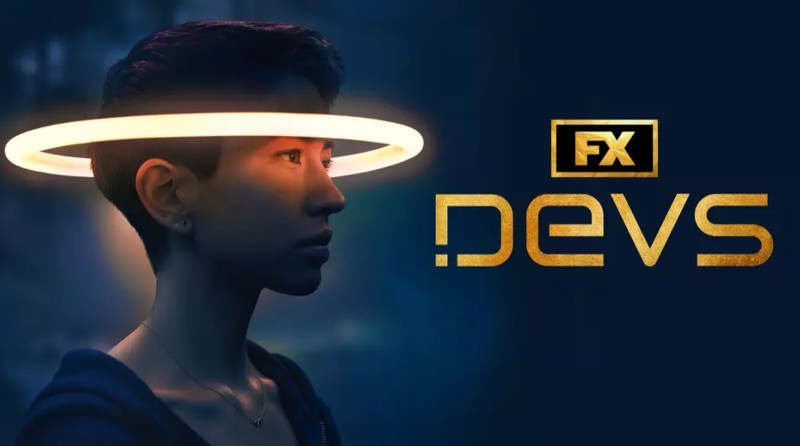
An eight-episode miniseries from Alex Garland, the writer-director of Ex Machina. A secret team inside a tech company is building a quantum computer, and what exactly it can do is better discovered on your own. Slow, beautiful, unsettling. For an evening when you want to think rather than unwind.
Black Mirror (2011–)
An anthology about technology gone sideways. For programmers, we especially recommend the interactive film Bandersnatch (2018): the hero is a game developer in 1984, and you choose what happens next. You're basically watching branching code from the inside — and at some point you start to suspect the branches aren't only controlling the hero.
How it really happened
The Social Network (2010)
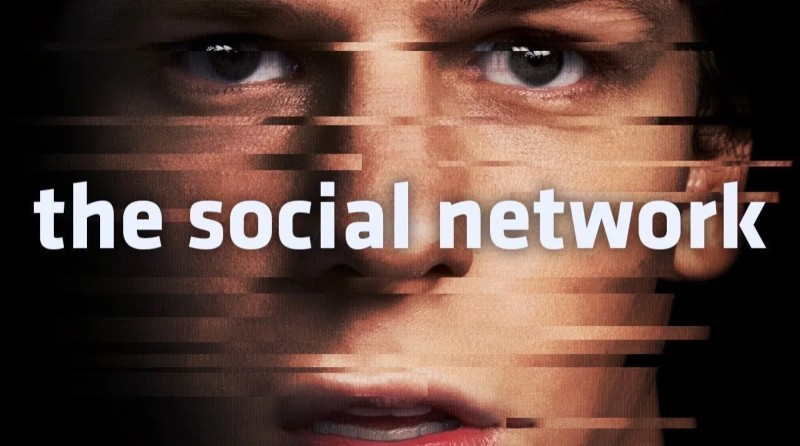
How Facebook came to be — and how many friendships it cost. Written by Aaron Sorkin, directed by David Fincher, three Oscars: screenplay, editing, and Trent Reznor's score.
Don't expect documentary accuracy — it's a drama, not a chronicle. But the first twenty minutes, where the hero builds a site overnight, are still one of the most convincing depictions of programming in a big movie: not magic, just someone who thinks fast and types fast.
The Imitation Game (2014)
Benedict Cumberbatch as Alan Turing, cracking the German Enigma cipher machine. The film won the Oscar for its screenplay — deservedly — but it takes liberties with history, so here's what to know before you watch.
Turing never called the machine "Christopher" — that's the screenwriters' invention. It was called the bombe, it grew out of work by Polish cryptologist Marian Rejewski, and Turing designed the British version together with Gordon Welchman, who barely appears in the film. And it wasn't one machine in a shed: more than two hundred were built, operated by hundreds of people, mostly women. The real story isn't about a lone genius — it's about a big team. Which, by the way, is how almost any serious engineering works.
Pirates of Silicon Valley (1999)
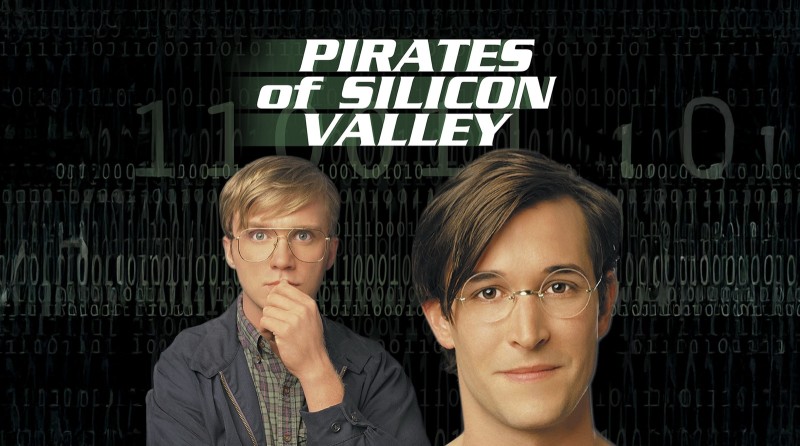
A TV movie about how Steve Jobs and Bill Gates built Apple and Microsoft — and who borrowed what from whom. Modestly made, but it's the best short crash course in early personal computer history. A perfect follow-up to Halt and Catch Fire.
Steve Jobs (2015)
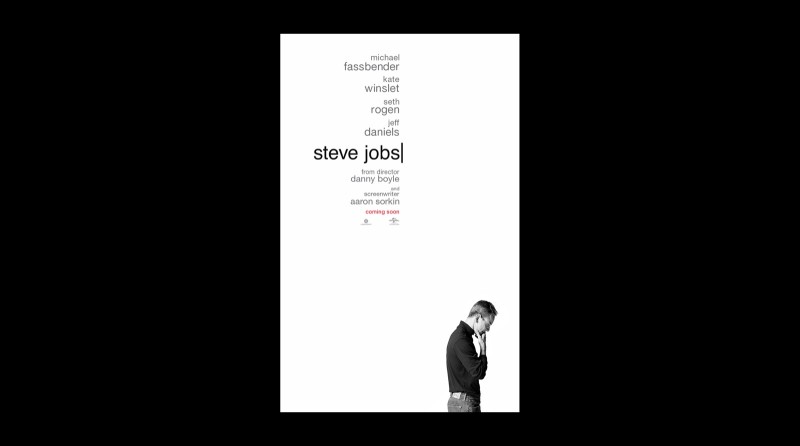
Another Sorkin script, with an unusual structure: the whole film takes place backstage at three product launches, minutes before he walks on stage. A great film about how a product isn't only code — it's also decisions someone has to make and own.
BlackBerry (2023)
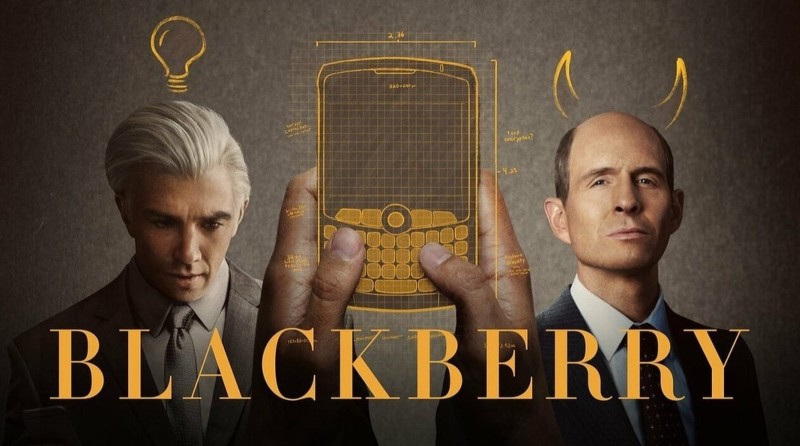
The rise and fall of the company that invented the smartphone for business — and lost to the one that made a smartphone for everyone. Funny, tense, and very familiar to anyone who's watched bad decisions sink a good product.
Documentaries: no screenwriters
- Revolution OS (2001) — the history of free software and Linux from the people who made it, with interviews with Richard Stallman and Linus Torvalds. If you use Linux, Git, or Python, see where it all came from.
- The Internet's Own Boy (2014) — the story of Aaron Swartz, who helped create RSS as a teenager, became one of Reddit's co-founders, and then fought for open access to knowledge. Heavy and important. And you can watch it free and legally: it's released under a Creative Commons license on the Internet Archive.
- AlphaGo (2017) — DeepMind's program plays Go against one of the world's strongest players, Lee Sedol. The machine wins 4–1, but watch it for two moves. Move 37 in game two — AlphaGo's move that commentators first took for a mistake. And move 78 in game four — Lee Sedol's reply, now known in the Go world as the "divine move." The best film about what it means to work alongside AI: not losing to it, but finding what it can't see.
- Indie Game: The Movie (2012) — three indie teams finish their games: Super Meat Boy, Fez, and Braid. Funded on Kickstarter, it won the editing award at Sundance. The best film about spending years on your own project without knowing if it'll take off. If there's an unfinished side project sitting in a folder somewhere, this one will make you want to open it.
What movies get wrong about programmers
A short list of things that make any developer's eye twitch — so you have something to talk about after the credits.
- Typing speed is everything. In movies, hackers type like machine guns. In real life, programmers read and think more than they type — and the most productive thing you do all day is sometimes deleting a hundred lines.
- "Enhance! Enhance again!" A blurry pixel from a security camera turns into a sharp face. No. Information that isn't in the image isn't in the image. AI can paint it in today — but that's painting, not truth.
- A 30-second hack. A real attack is weeks of preparation, recon, and patience. Mr. Robot only fudges that part, and it's still the one people trust most.
- Two people, one keyboard. There's a legendary NCIS scene where two people fight off an attack by typing on the same keyboard with four hands. That's not pair programming. Though it does feel similar.
- Green text on black. Okay, this one's almost true. Dark themes really are popular. The characters just don't usually rain down the screen.

What to watch for your mood
| Mood | What to put on | Format |
| Friday, brain off | The IT Crowd, Mythic Quest | short episodes |
| After a rough release, want to laugh at yourself | Silicon Valley | a couple of weeks |
| Curious how it all started | Halt and Catch Fire, then Pirates of Silicon Valley | series + film |
| Feeling paranoid | Mr. Robot, Person of Interest | long series |
| Want to think about AI | Ex Machina, Her, AlphaGo | films for one evening |
| One evening, no series commitment | The Social Network, WarGames | film |
| Watching with someone outside tech | The Imitation Game, The Social Network | film |
| Need motivation to finish your project | Indie Game: The Movie | documentary |
| Free and legal | The Internet's Own Boy | documentary, Internet Archive |
| Nostalgic for the '90s and the naive internet | Hackers, Sneakers | film |
Why a TV show won't make you a programmer
Watching Breaking Bad three times doesn't make you a chemist. Same with programming. You can know by heart what Elliot types into his terminal and still not understand why it works.
But movies do one useful thing: they wake up curiosity. If you've ever paused on a scene and wondered "how does that actually work?" — that's the feeling the whole profession starts with. From there, you feed it with tasks, not with the next season.
The easiest place to start is Python or Java: a task, a check, an error you can understand — every day, until the code on your screen stops looking like green rain. And if you're drawn to where the most interesting things are happening right now — AI agents that write code alongside you — there's Building with Claude Code. Just get the foundation first: an agent needs someone who understands what it did.
And the show? That's for the evening. After the task.
FAQ
What's the most realistic TV show about programmers? For startup life, Silicon Valley: the compression algorithm behind the plot was developed with a Stanford professor. For hacking, Mr. Robot: every hack is based on real-world precedent, with real tools and Kali Linux on screen.
What should a programmer watch about artificial intelligence? Fiction: Ex Machina (2014), Her (2013), and the series Pantheon. Documentary: AlphaGo (2017), about DeepMind's match against Go champion Lee Sedol.
Are there movies about the history of computers and the internet? Halt and Catch Fire covers the '80s and '90s, the TV movie Pirates of Silicon Valley covers Apple and Microsoft, and the documentary Revolution OS covers Linux and free software.
Which tech documentary can I watch for free? The Internet's Own Boy (2014), about Aaron Swartz — it's released under a Creative Commons license on the Internet Archive.
Can you learn to code from movies? No, but movies are great at showing why you'd want to. The only way to learn is by practicing — solving tasks and getting feedback on every mistake.
GO TO FULL VERSION